Увидел лезвие для многолдости
Precision Sizing for Industrial Panel Processing
Technical Specifications:
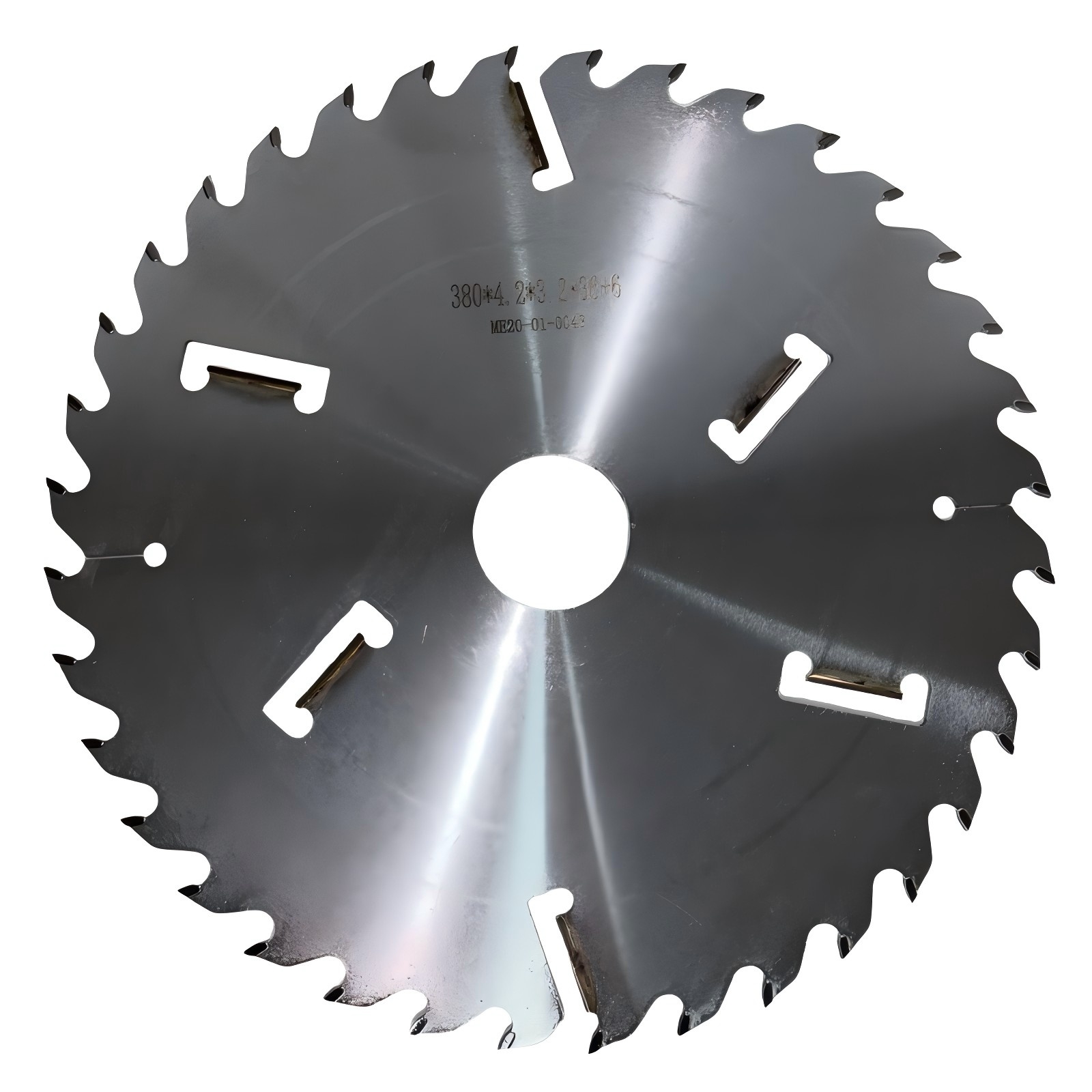
Diameter: 380мм(15″)
Teeth: 36
Arbor: 30мм
Вырезать: 4.2мм
Grind: FTG
Number of Scrapers:6 шт.
- TCT Multi‑blade Rip Saw Blades — built for high‑speed multi‑strip ripping of solid wood and timber logs; carbide teeth with FTG flat‑top grind, integrated scraper inserts and deep chip gullets ensure effective chip evacuation and clean ripping performance.
- Fits multi‑blade rip saw machines; standard arbor bore for quick installation, quenched steel body guarantees stable running precision for heavy‑duty continuous industrial log processing.
Core Selling Pionts
- Precision Ripping — Standard arbor bore + quenched high‑strength steel body for stable running and tight tolerances in heavy‑duty log‑ripping production.
- Heavy‑Duty Durability — Solid carbide tips + built‑in scraper inserts = reliable non‑stop industrial timber cutting.
- Smooth Chip Evacuation — FTG flat‑top grind teeth + deep chip gullets = clean ripping cuts with efficient chip removal for solid wood & hardwood lumber.
Key Features
- Optimized for Multi‑Blade Rip Saws — FTG flat‑top tooth geometry engineered for automatic log ripping equipment and high‑speed multi‑strip cutting lines.
- Smooth Ripping Technology — Precision‑ground FTG flat‑top teeth plus integrated scraper inserts deliver efficient chip evacuation and clean ripping cuts on solid wood, soft‑hardwood timbers, with custom tooth grinds available upon request.
- Heavy‑Duty Stability — High‑strength quenched steel body with deep chip gullets for stable, low‑vibration running under heavy‑feed log processing.
- Scraper‑Equipped Design — Main cutting teeth + scraper insert combinations for log & timber ripping, preventing burnt marks and reducing resin buildup on blade body.
Ideal For
- Solid log & timber ripping lines
- Hardwood & soft‑wood lumber production
- Sawn timber board manufacturing
- Raw material processing for wooden furniture & flooring
| Diameter / мм | Вырезать / мм | Arbor / мм | Teeth | No. of Scrapers/ pcs |
|---|---|---|---|---|
| 180 | 2.2 | 1.6 | 20 | 2 |
| 205 | 2.4 | 1.7 | 24 | 2 |
| 230 | 2.8 | 2 | 24 | 4 |
| 255 | 3 | 2.2 | 24 | 4 |
| 305 | 3.2 | 2.2 | 24 | 4 |
| 355 | 3.5 | 2.5 | 28 | 6 |
| 405 | 4 | 2.8 | 32 | 6 |
| 500 | 4.8 | 3.5 | 36 | 6 |
| 550 | 5 | 3.6 | 36 | 6 |
| 600 | 5.2 | 3.8 | 40 | 8 |
| 650 | 5.5 | 4 | 40 | 8 |
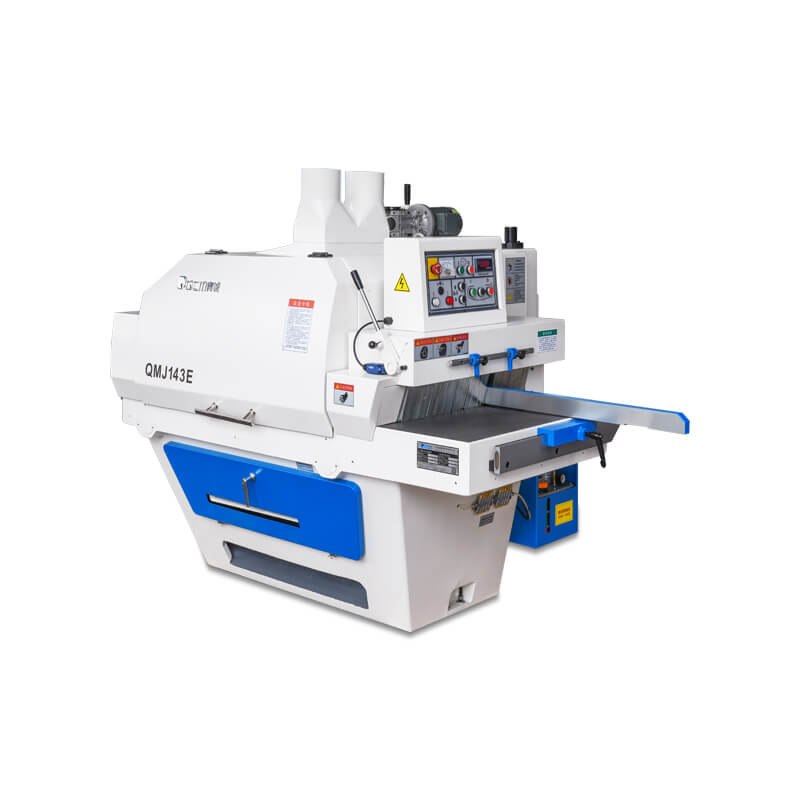
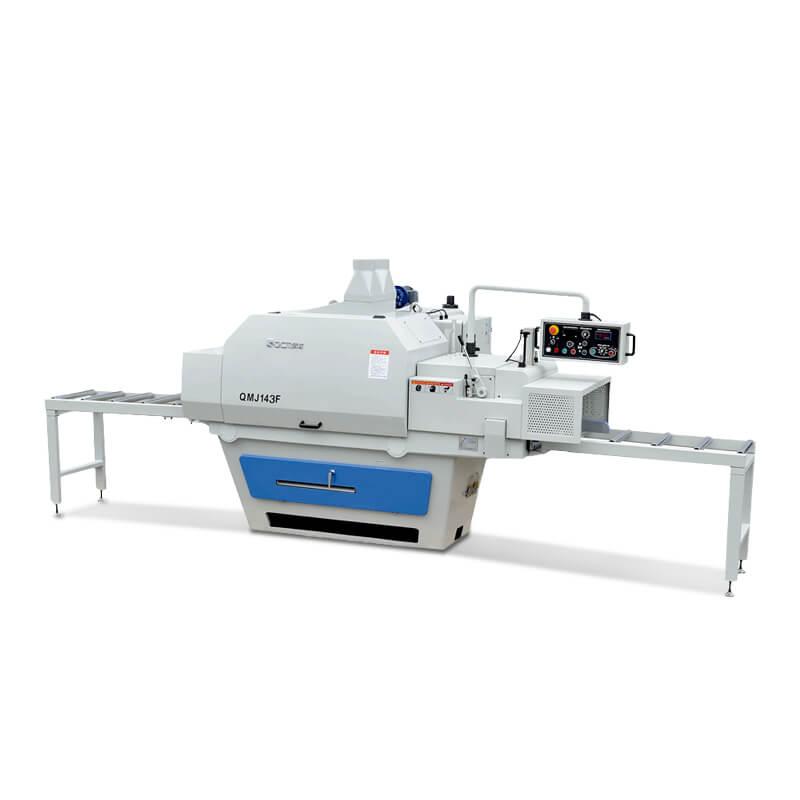
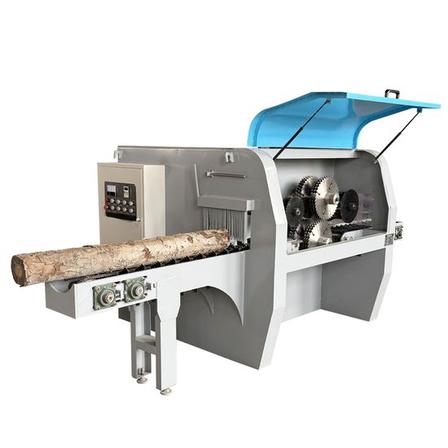
Single‑spindle log multi‑blade rip saw
Optimized for single‑spindle log multi‑blade rip saws. Scraper inserts relieve heat buildup and avoid burn marks on wet, resin‑heavy timber. Robust quenched steel body handles heavy‑duty continuous log ripping, producing uniform solid‑wood blanks in one pass.
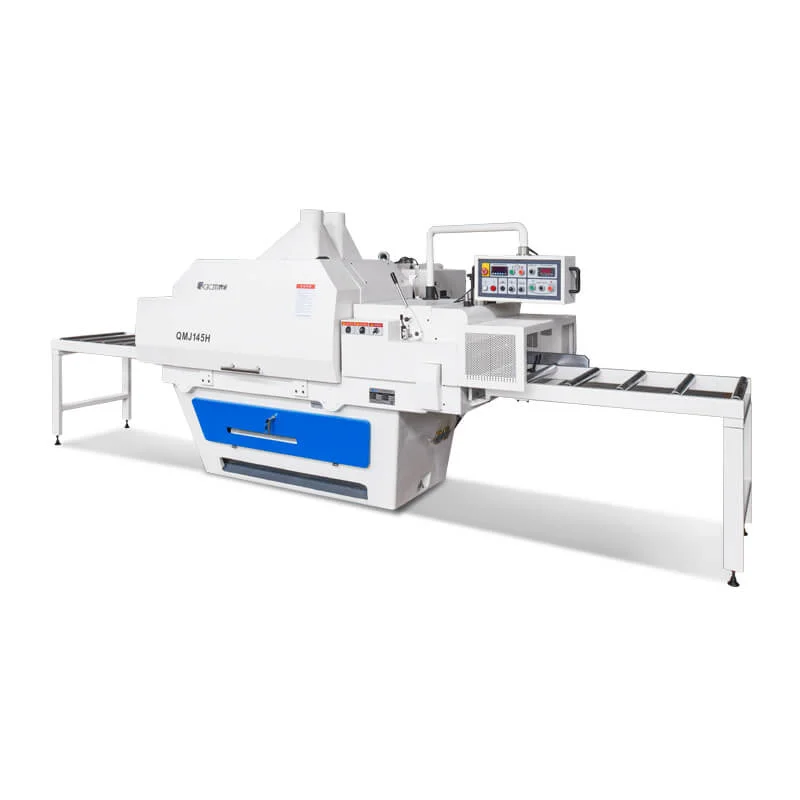
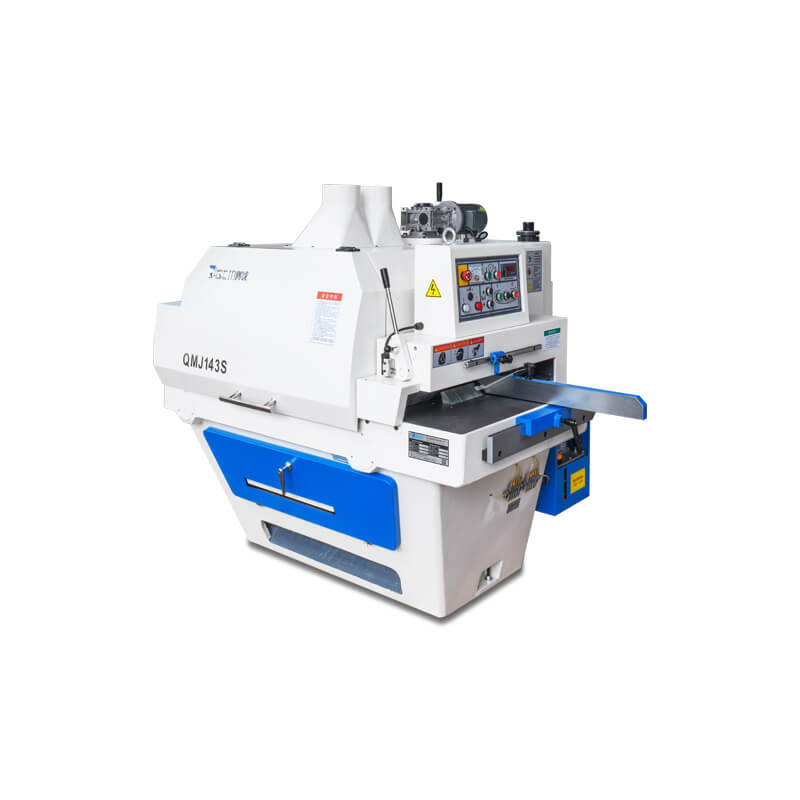
Automatic timber ripping production line
Optimized for automatic timber ripping production lines. Heavy‑duty steel body adapts to non‑stop high‑speed cycle operation. Scraper inserts control heat and resin contamination, securing consistent cut quality for mass‑output solid‑wood blanks.
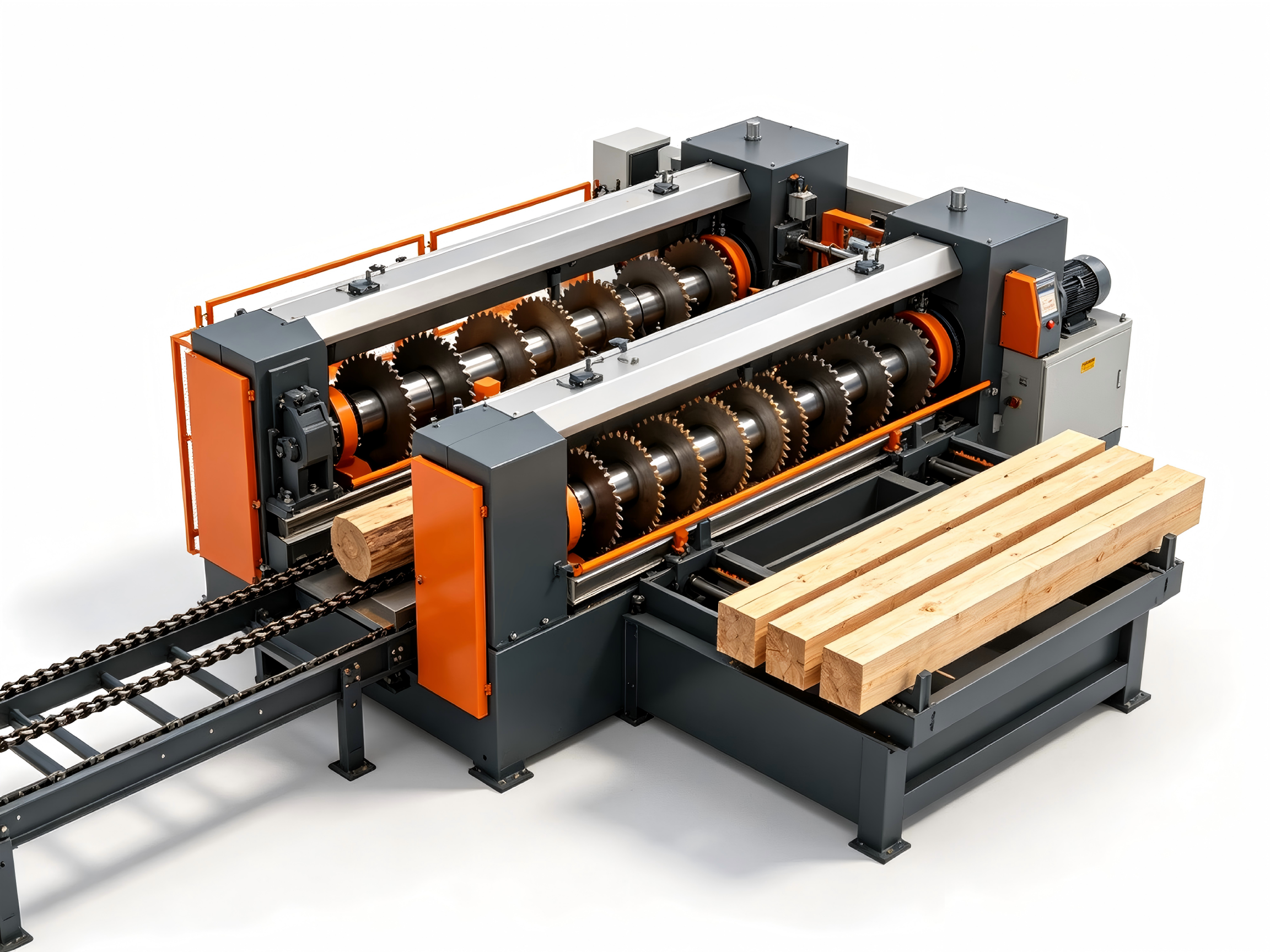
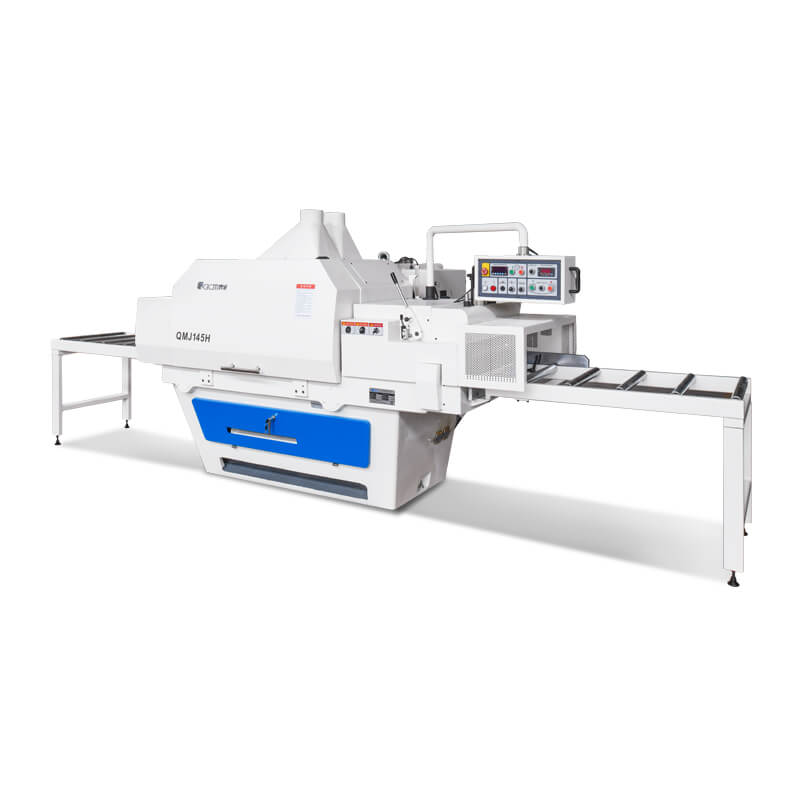
Double‑shaft log multi‑rip saw
Optimized for double‑shaft log multi‑rip saws for heavy‑load large‑diameter log ripping. High‑strength steel body resists heavy impact cutting stress. Scraper inserts improve heat dissipation and prevent resin sticking, delivering reliable performance for heavy log processing.
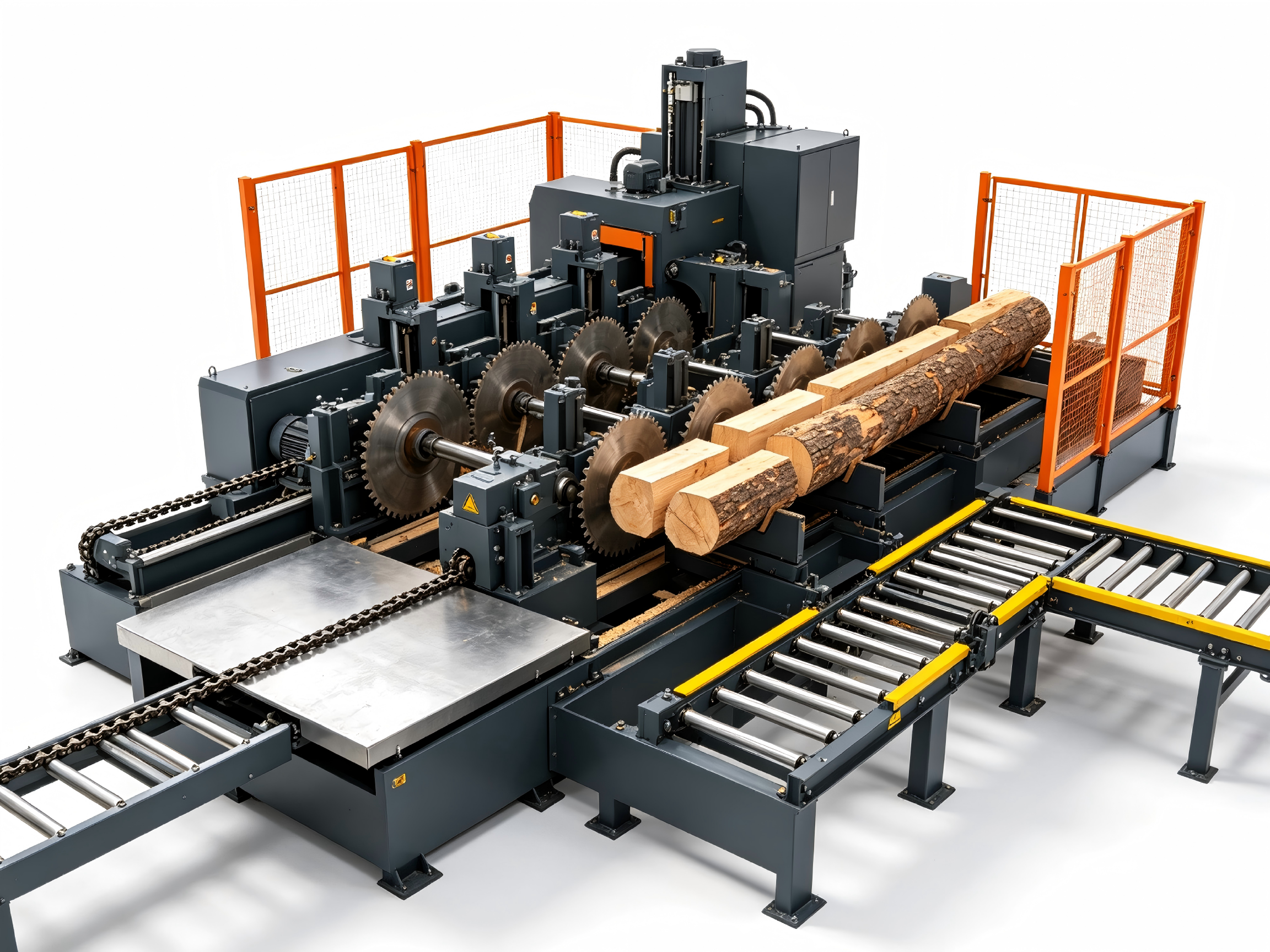
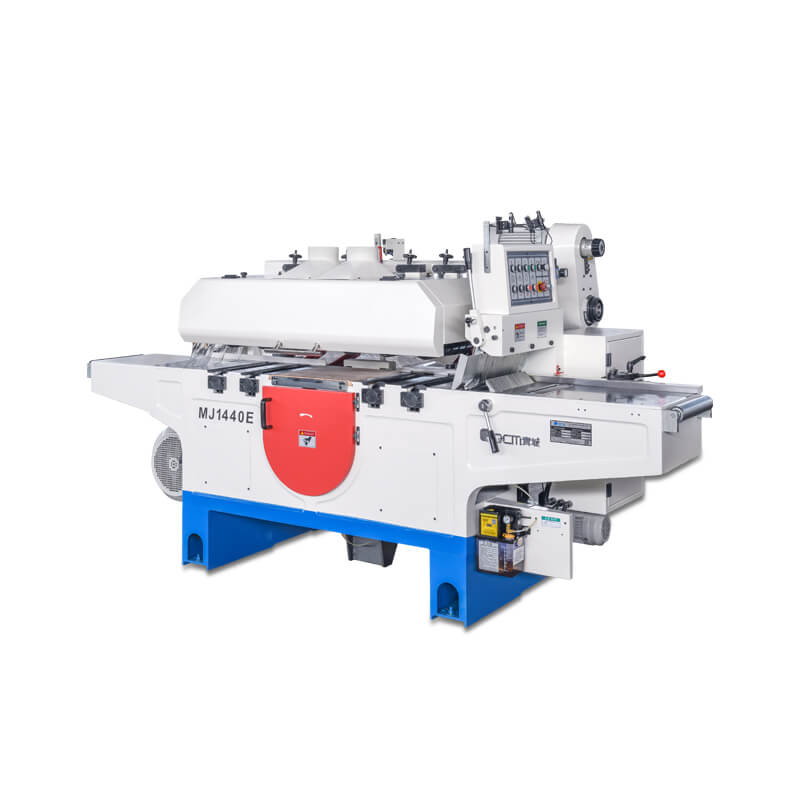
Heavy‑duty log ripping center
Optimized for heavy‑duty log ripping centers in large‑capacity sawmills. Heavy‑duty steel body resists sustained heavy‑load impacts. Scraper inserts relieve heat and resin buildup, securing stable precision for high‑output solid‑wood blank manufacturing.
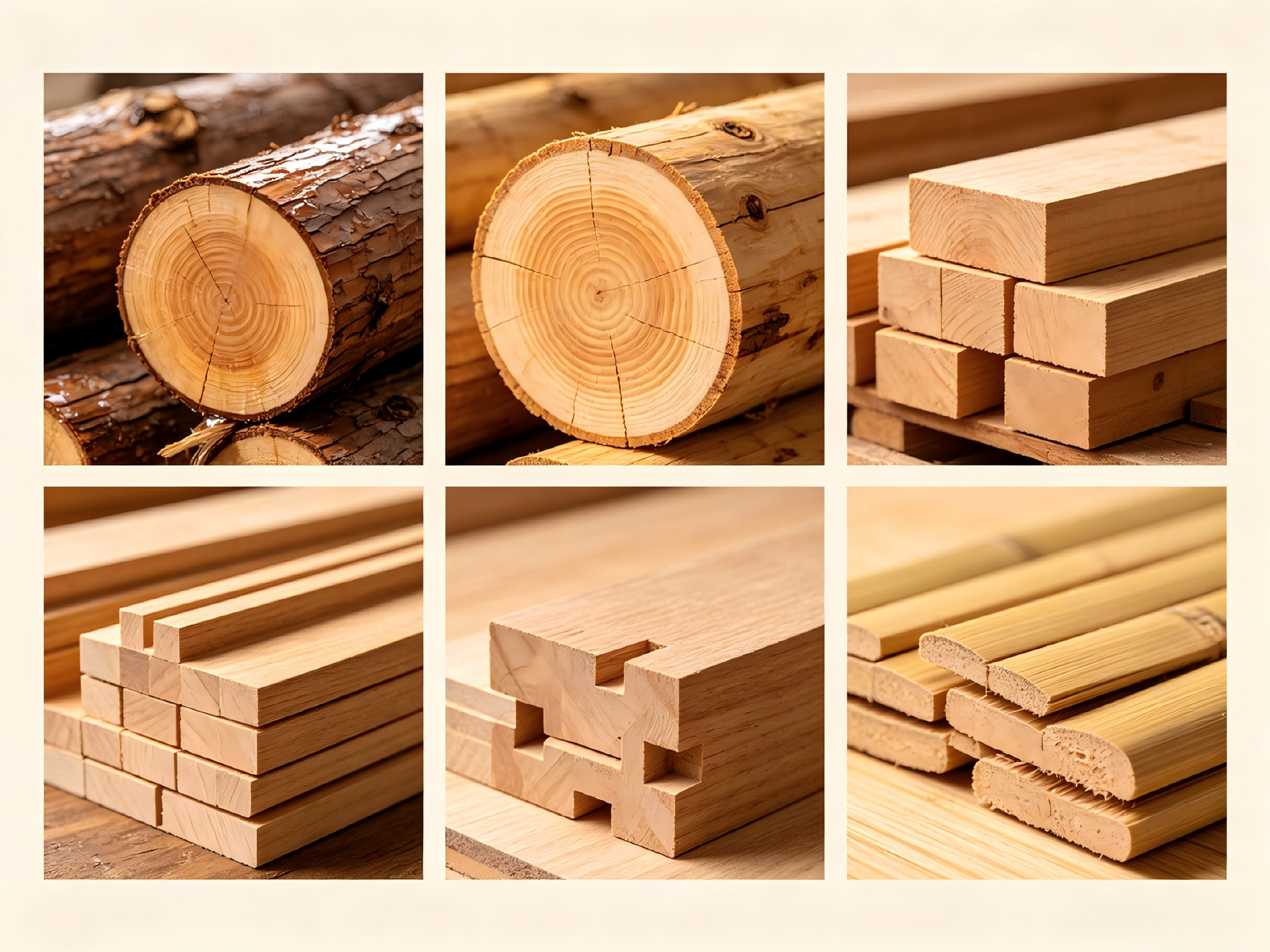
Cutting Materials
Suitable for solid logs, wet & resin‑rich soft/hard wood including pine, poplar, birch, beech, scots pine, radiata pine. Scrapers avoid blade burn and resin adhesion. Also for solid lumber blanks, glulam, finger‑jointed wood and bamboo longitudinal ripping.
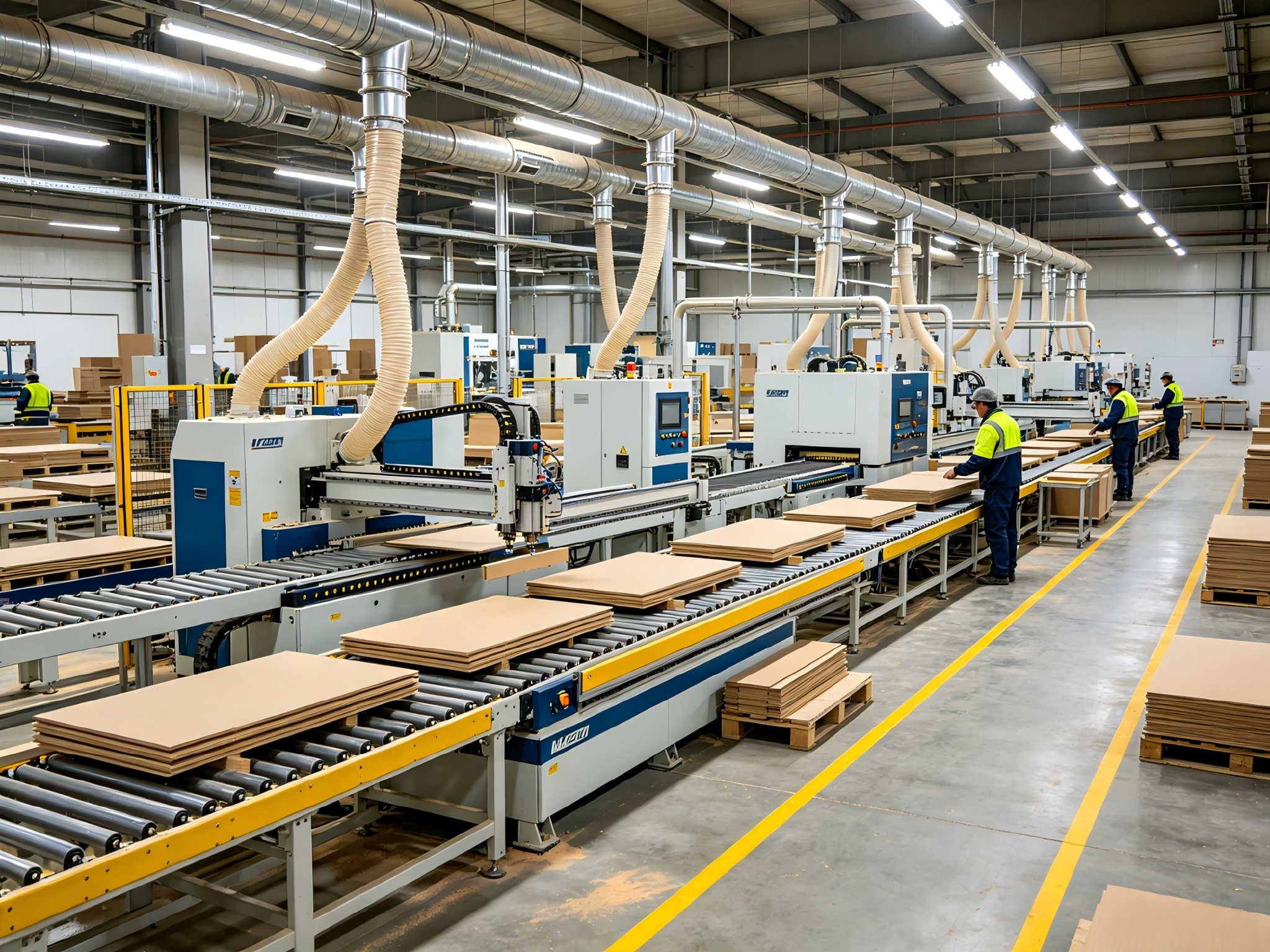
INDUSTRIAL SAWMILL APPLICATIONS
Ideal for sawmill mass‑production workflows, processing raw logs into solid‑wood blanks for furniture, cabinetry, solid‑wood flooring and construction timber. Stable ripping performance for round‑log primary breakdown in wood manufacturing plants.